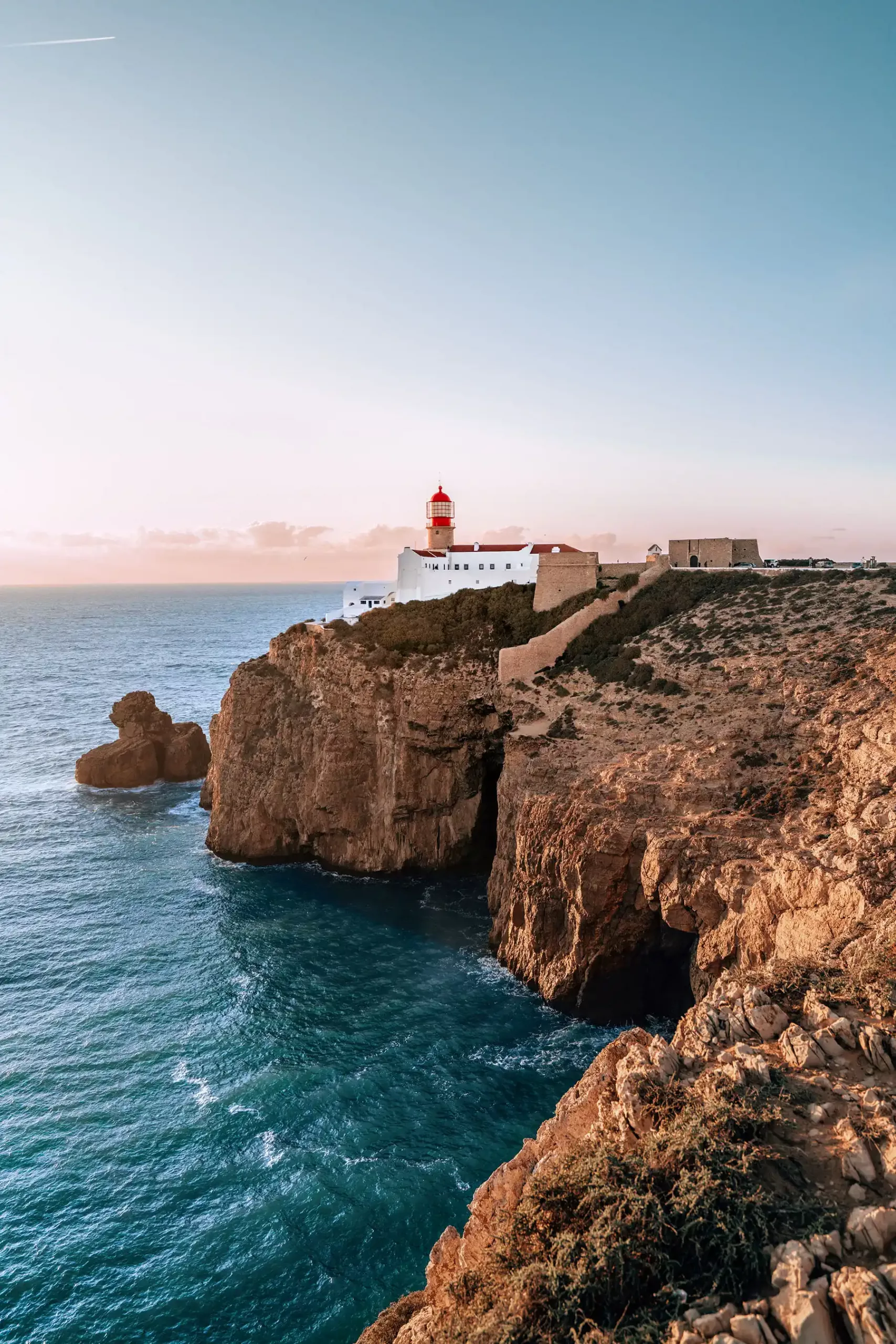
Cabo de São Vicente
10 min drive
This headland features a prominent lighthouse and marks the southwestern point of mainland Europe. It complements a visit to the town by providing a dramatic perspective on the Atlantic coastline.
Sagres occupies a wind-scraped promontory at the southwestern corner of continental Europe, where the Algarve's limestone coast meets the open Atlantic. This guide clarifies its geographic position, regional context, and the practical realities of reaching a village that sits farther west than most travelers expect.
Quick answer
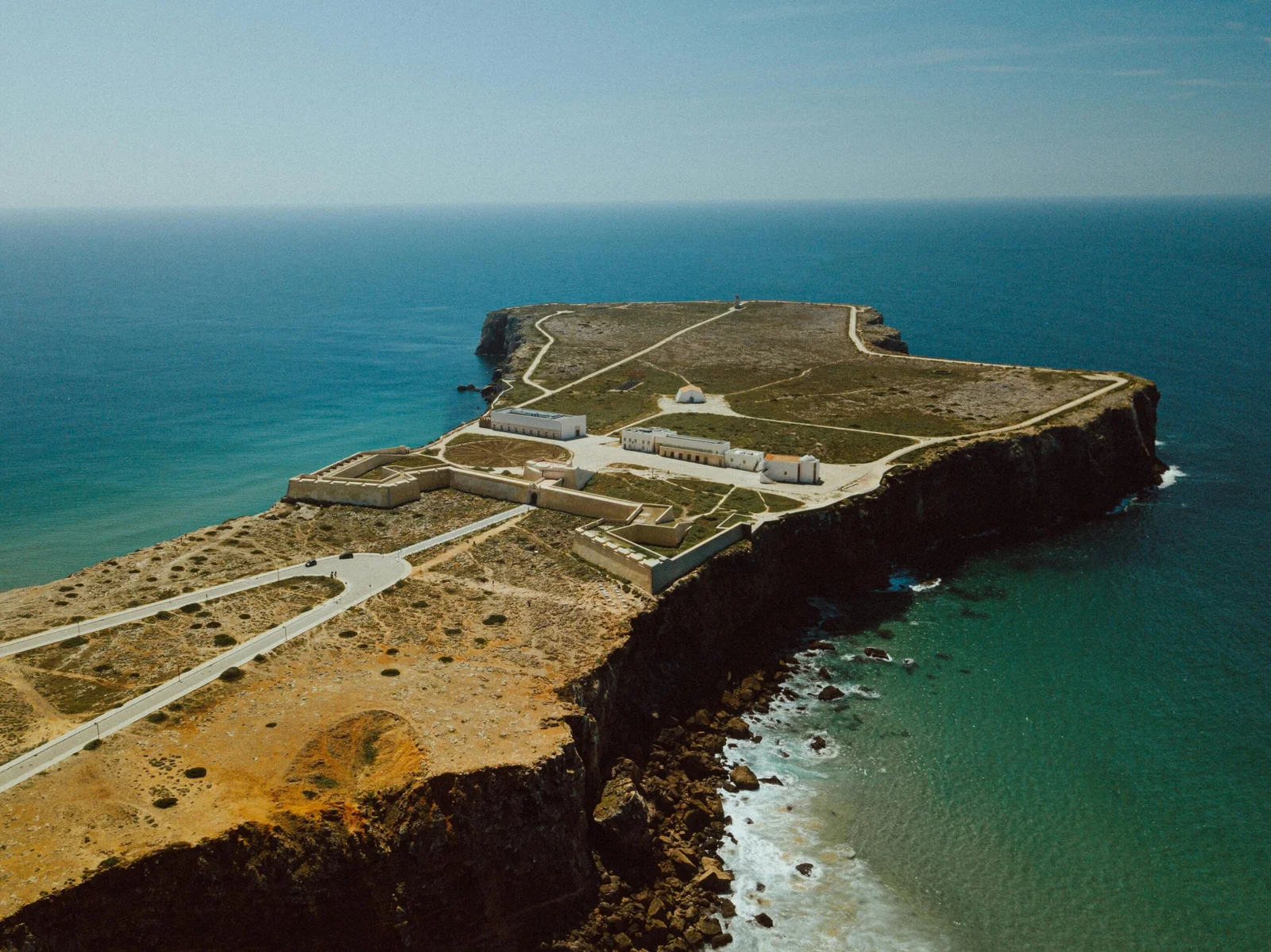
Sagres sits at the southwestern tip of Portugal in the Algarve region, approximately 120 kilometers west of Faro and 33 kilometers west of Lagos. The village lies on a rocky peninsula jutting into the Atlantic, marking one of Europe's westernmost inhabited points and forming the dramatic terminus of the Algarve coast.
The fortaleza walls rise from a headland where two oceans technically meet—the last bastion before 5,000 kilometers of uninterrupted water to North America. Most visitors arrive expecting a typical Algarve beach town and instead encounter a working fishing village shaped by relentless northwest winds, where the coastal plateau drops 60 meters into surf that has turned back fleets. When travelers ask where is Sagres in Portugal, the answer requires both coordinates and context. The municipality sits within the administrative district of Vila do Bispo, the Algarve's westernmost concelho, positioned at roughly 37°N latitude—level with Sicily and southern Greece. Road access funnels through a single highway corridor: the N125 regional route connects eastward to Lagos in 40 minutes, while Faro airport lies two hours distant via the A22 motorway. No rail service reaches the peninsula. Bus routes from Lagos run four times daily in winter, hourly in summer, depositing passengers at the compact village center 800 meters from the fortress gate. The settlement's position at the Algarve's western terminus explains its historical role as a departure point for 15th-century navigation expeditions. Prince Henry established a coastal observation station here in the 1440s, leveraging the cape's unobstructed Atlantic horizon for celestial training and cartographic work. The limestone cliffs provided natural fortification; the surrounding plateau offered visibility across 270 degrees of open water. Modern Sagres remains a low-density village of 2,000 permanent residents, its economy split between tourism and the fish market that still operates at the harbor below the main bluff. The geographic answer to Sagres' location matters because it shapes every practical decision. The village lacks the infrastructure density of eastern Algarve resorts—expect limited dining outside peak months, irregular fuel station hours, and mobile connectivity that drops along clifftop trails. The position also dictates weather: Atlantic squalls move through year-round, and the same winds that powered caravels now power kitesurfers at Praia do Tonel. Visitors planning a Sagres Portugal itinerary should account for the drive time buffer, the exposure to offshore weather systems, and the reality that this corner of Europe feels deliberately remote because it is.
“The fortaleza walls rise from a headland where two oceans technically meet—the last bastion before 5,000 kilometers of uninterrupted water to North America.”
Sagres is located at the southwestern tip of the Algarve, serving as a remote gateway to the Atlantic coast. The most direct approach is by car via the A22 or N125, though public bus connections are available from major hubs in the region.
A22 or N125 motorway to Sagres
VAMUS Algarve Line 47
Direct transfer to Sagres
Arrive early to avoid peak crowds and midday heat while enjoying clear clifftop views. Ample parking is available near the Fortaleza de Sagres, which serves as the primary arrival point for visitors.
The fortress operates on a consistent daily schedule throughout the week to accommodate visitors planning their trip to Sagres.
The most effective time to visit is during the shoulder months of spring and autumn, specifically arriving at the gate opening to bypass peak daily congestion and heat. Visiting within the recommended window of 09:30–17:00 allows for optimal visibility along the exposed clifftop environment.
Mild, 18°C to 22°C. Wildflowers bloom across the headland.
Ideal conditions for walking the fortress perimeter without excessive heat.
Warm, 25°C to 28°C. Frequent Atlantic breezes.
Expect higher visitor density during midday hours and busier parking areas.
Pleasant, 20°C to 24°C. Stable maritime climate.
Clear skies provide consistent visibility for coastal observation and activities.
—
Arrive early to avoid peak crowds and midday heat while enjoying clear clifftop views.
Verdict: Tuesday to Thursday, arriving at 09:30, during the months of April or October provides the most favorable balance of weather and crowd density.
Sagres is located near several landmarks that offer insight into the region's coastal landscape and maritime history. These sites are easily accessible for those planning a broader exploration of the area.
10 min drive
This headland features a prominent lighthouse and marks the southwestern point of mainland Europe. It complements a visit to the town by providing a dramatic perspective on the Atlantic coastline.
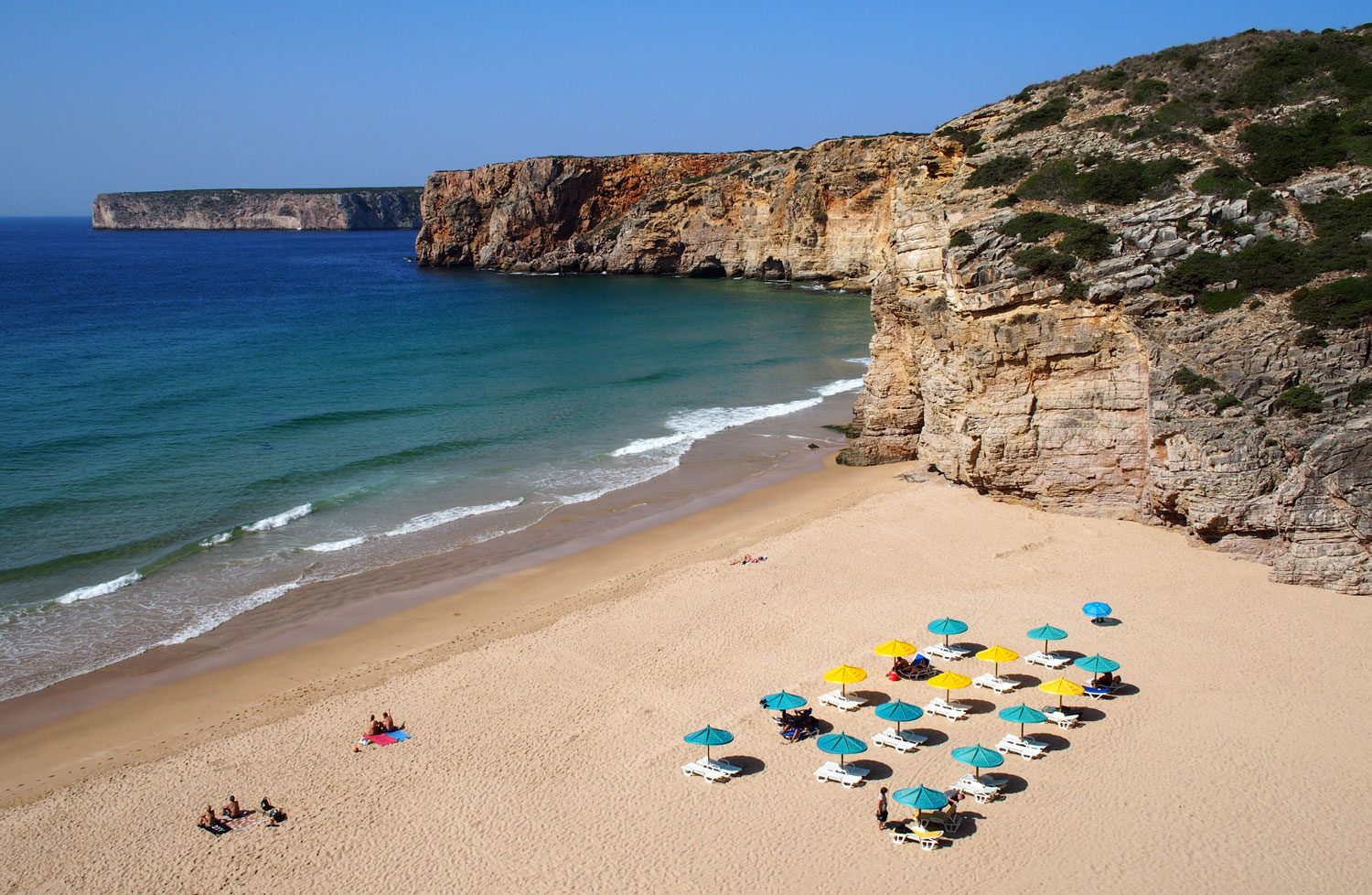
5 min drive
Situated between the town and the lighthouse, this sheltered beach is tucked under high cliffs. Its location makes it a logical stop for those observing the geological formations of the coast.
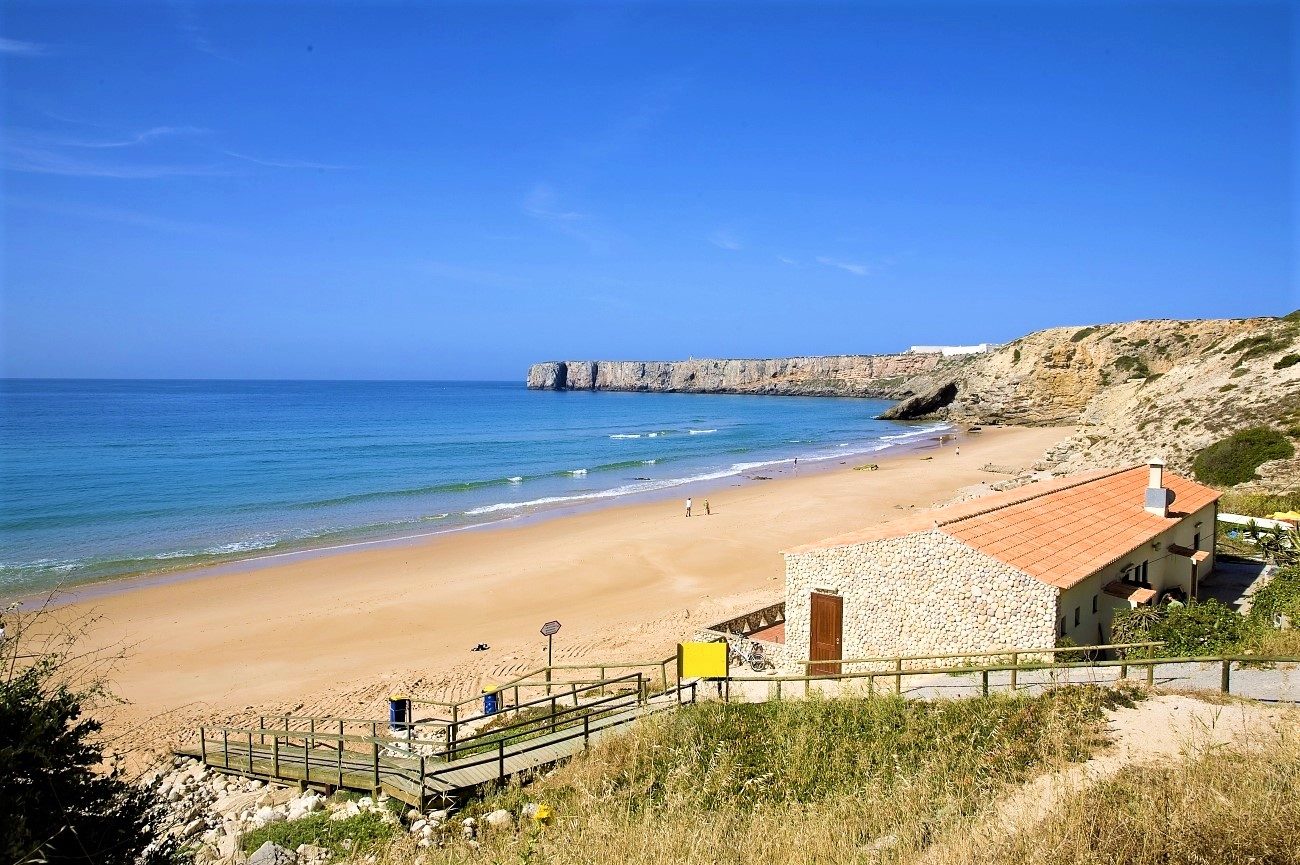
10 min walk
Located directly in the town center, this beach offers convenient access for coastal walks. It provides a quiet contrast to the more rugged and exposed sites further along the cape.
Everything you need to know about where is sagres in portugal
Sagres is situated at the southwestern tip of the Algarve region in Portugal. Knowing where is Sagres in Portugal helps travelers plan their journey to this remote, wind-swept corner of the Iberian Peninsula.
Visitors traveling to the area can reach the Fortaleza de Sagres by following signs toward the coast. If you are wondering where is sagres in portugal for logistical planning, the landmark address is Fortaleza de Sagres, 8650-360 Sagres, Portugal.
The site operates daily from 09:30 to 17:30. Checking the official hours is essential for those researching where is sagres in portugal and planning their daily itinerary.
The entrance fee is 10 EUR per person for regular adult admission. Please verify this cost when finalizing your budget for your trip to this historic fort.
The best arrival window is between 09:30 and 17:00 to avoid peak crowds and midday heat. Arriving during these hours ensures you have enough time to explore the clifftop views.
Yes, the spacious grounds are generally accessible for families looking to explore the historic scenery. It remains a popular spot for those inquiring where is sagres in portugal while seeking outdoor activities.
The region is famous for its dramatic cliffs, the nearby Cape St. Vincent lighthouse, and various beaches. These sites form a vital part of the local geography beyond the main fortress walls.