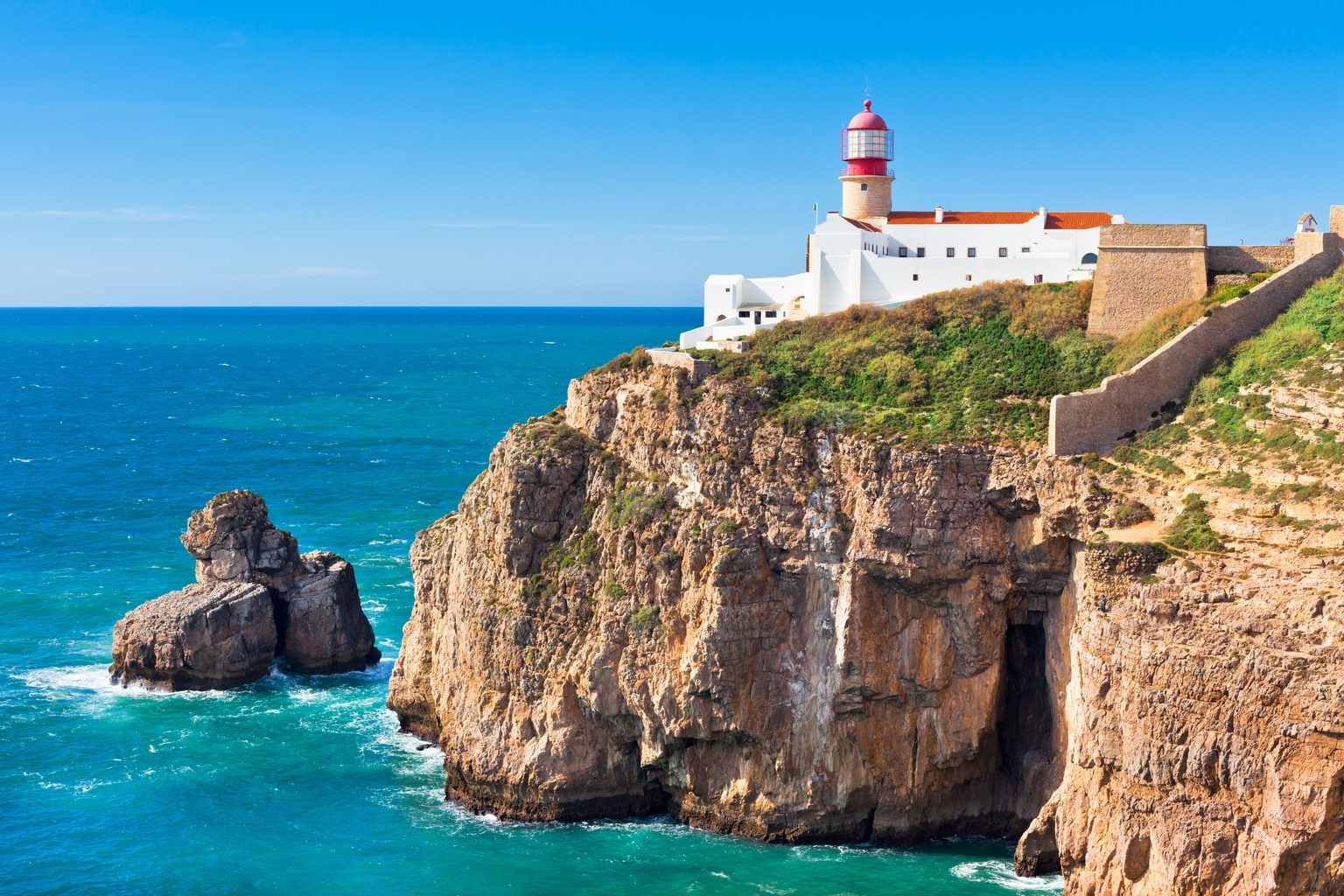
Cape St. Vincent
10 min drive
This iconic lighthouse marks the southwestern tip of Europe and provides a stark contrast to the nearby fortress. It is best visited late in the afternoon to view the sunset over the Atlantic Ocean.

Sagres sits at the southwestern tip of continental Europe, where windswept promontories meet the Atlantic and the landscape turns spare and elemental. The question most travelers ask before making the journey is whether this remote corner of the Algarve justifies the drive. This guide weighs the evidence: what Sagres offers, what it lacks, and who finds the trip worthwhile.
Quick answer
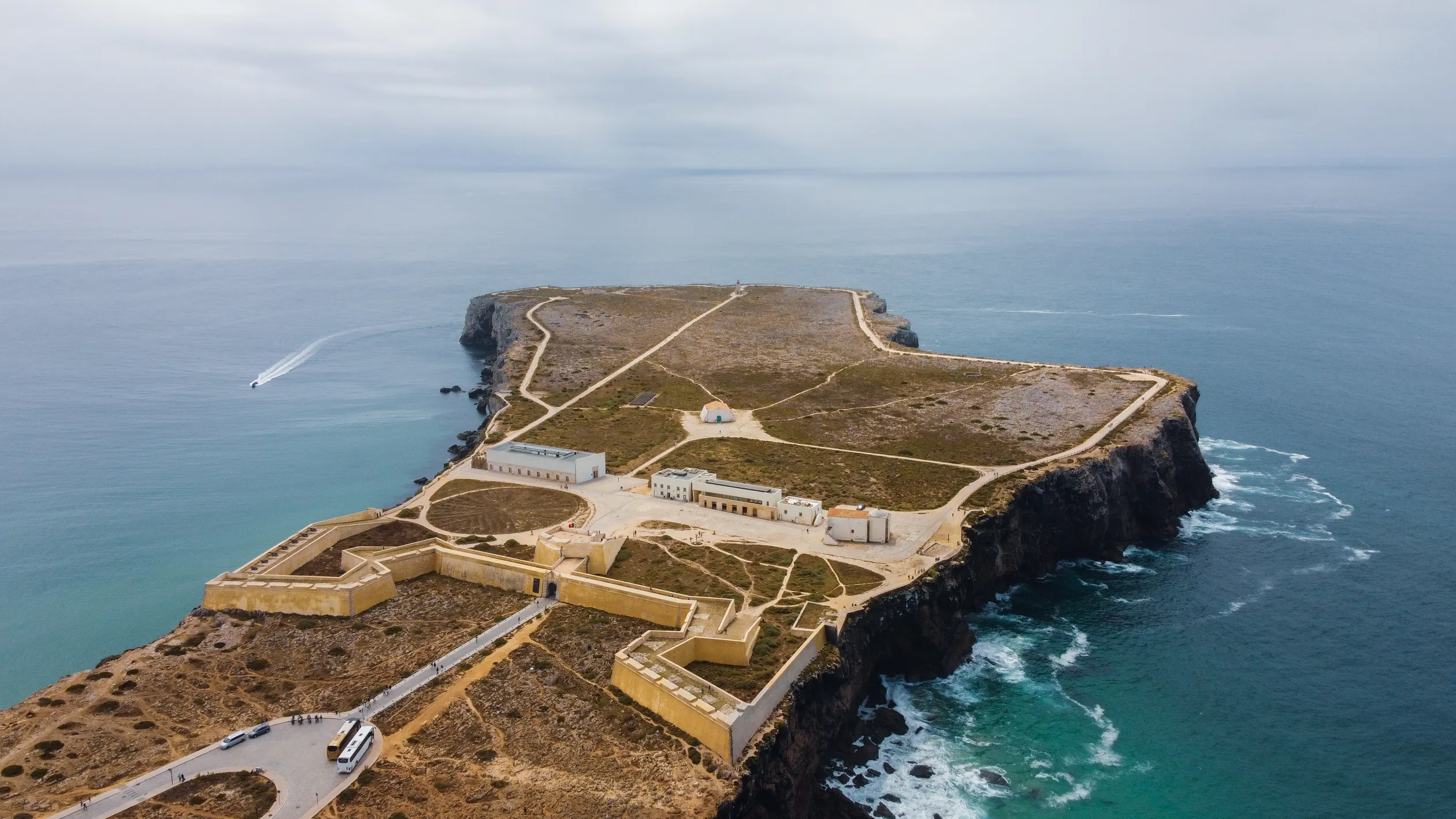
Sagres is worth visiting if you value dramatic coastal scenery, historical significance, and solitude over beach resorts and nightlife. The 16th-century fortress sits on cliffs 60 meters above the ocean, offering sweeping views of the Atlantic and access to wild beaches like Praia do Tonel and Praia da Mareta. The village itself is small and functional, but the surrounding coastline—raw, windy, and largely undeveloped—rewards travelers seeking natural beauty and a sense of remoteness.
Sagres receives fewer visitors than Lagos or Albufeira, yet it holds a distinct place in Portuguese maritime history. Prince Henry the Navigator established his navigation school near this promontory in the 15th century, turning a remote cape into a launchpad for the Age of Discovery. The Fortaleza de Sagres, rebuilt after the 1755 earthquake, preserves that legacy with its whitewashed chapel and the Rosa dos Ventos—a 43-meter wind compass traced in stone. The fortress itself is not an architectural marvel. Its appeal lies in position: standing at the edge of the known world, wind constant, cliffs plunging to churning water below. The views stretch uninterrupted to the horizon, and on clear days you can see Cape St. Vincent three kilometers west, where Europe ends. The surrounding coastline is equally compelling. Praia do Tonel curves beneath red cliffs and draws surfers year-round. Praia da Mareta offers calmer water and wider sand. Both remain relatively uncrowded even in summer, a rarity in the Algarve. Sagres village delivers functionality, not charm. A handful of restaurants serve grilled fish and octopus rice. Surf shops rent boards and wetsuits. Supermarkets stock provisions. The atmosphere is utilitarian, shaped by wind, fishing, and the transient surf community. There are no cobbled squares or azulejo-clad churches. Travelers seeking postcard Portugal will find it elsewhere. Deciding whether Sagres merits a visit depends on what you value. If you prioritize coastal drama, maritime history, and solitude, the answer is yes. If you prefer lively towns, sheltered beaches, and abundant dining options, Lagos or Tavira will serve you better. The journey to Sagres—roughly an hour from Lagos, longer from Faro—is part of the equation. The N125 and N268 run through scrubland and small villages, the landscape flattening as you approach the cape. The drive itself holds little drama, but the destination delivers what it promises: a place where land ends and the Atlantic takes over.
“The appeal lies in position: standing at the edge of the known world, wind constant, cliffs plunging to churning water below.”
The period between April and May or September and October offers the most favorable balance of moderate temperatures and manageable wind speeds. Planning your visit for these shoulder months allows you to experience the Atlantic coast without the intense summer heat or peak tourist density.
Optimal for comfortable exploration
Visit between 09:30–17:00 to avoid the peak heat and crowding on the exposed promontory.
Mild with frequent breezes
Spring provides stable conditions for exploring the fortress exterior before the summer crowds arrive.
Hot with consistent northerly winds
Expect high visitor volume and strong coastal winds during this peak period.
Warm and pleasant
Sea temperatures remain high while land temperatures cool, making this an ideal time for coastal activities.
Verdict: The best time to visit is Tuesday to Thursday, arriving at the 09:30 opening time during the months of April or October.
Sagres is located on the far southwestern tip of the Algarve, making private transport the most flexible way to reach the remote promontory. Public bus services provide reliable connectivity from major coastal towns for those relying on regional transit.
N125 or A22 highway to Sagres
Vamus Algarve Line 47 (from Lagos)
Direct transfer from Faro Airport
Visit early to avoid peak heat and crowds on the exposed promontory, ideally within the 09:30–17:00 arrival window. Ample parking is available near the fortress entrance, which serves as the primary gateway to the site.
The geographic layout of the Sagres peninsula allows for a logical progression between rugged coastal landmarks and sheltered beaches. Combining these sites creates a balanced itinerary that transitions from high-exposure cliffs to accessible swimming spots.
10 min drive
This iconic lighthouse marks the southwestern tip of Europe and provides a stark contrast to the nearby fortress. It is best visited late in the afternoon to view the sunset over the Atlantic Ocean.
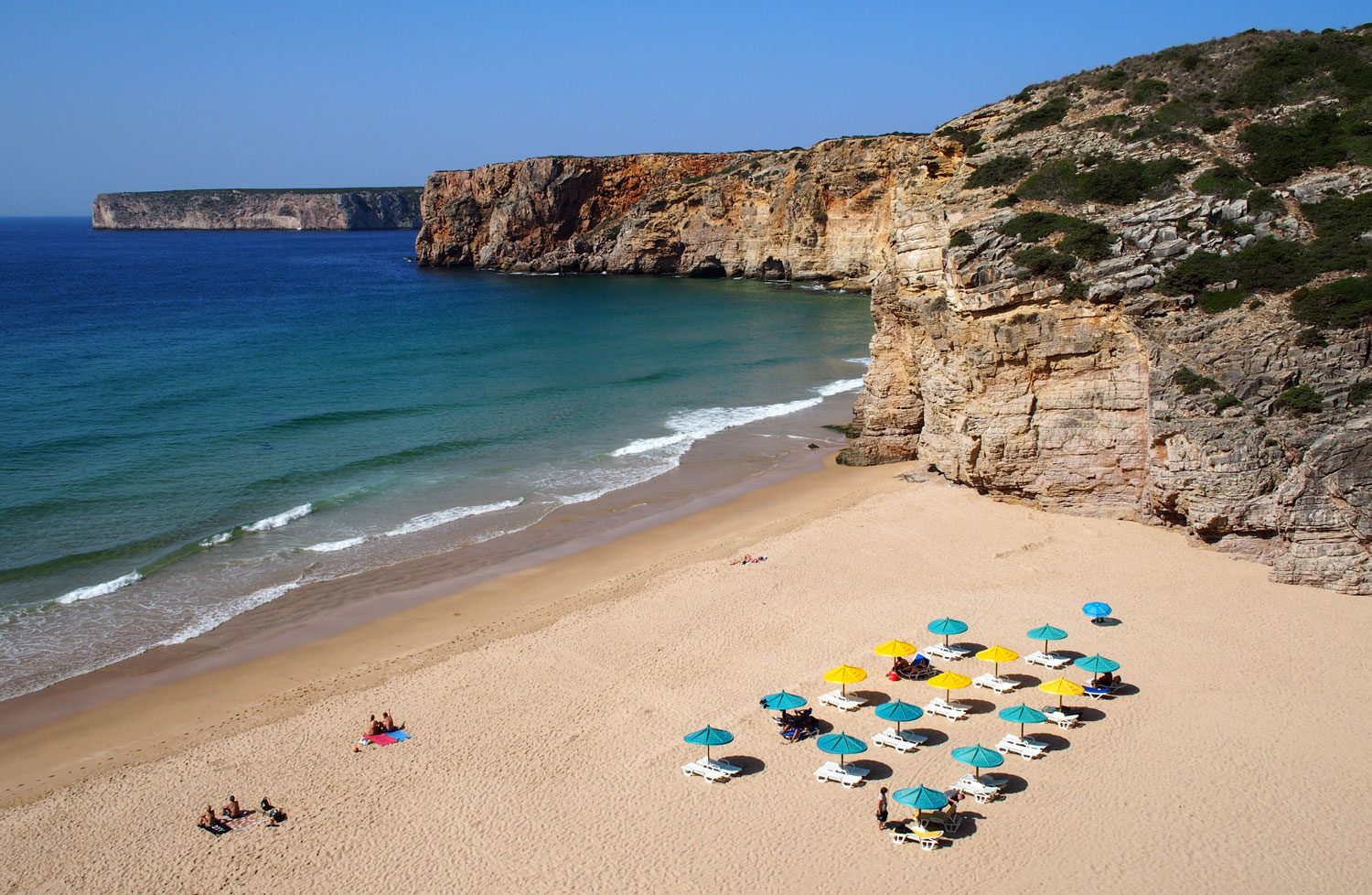
5 min drive
Situated between the fortress and Cape St. Vincent, this beach offers protection from the northern winds. It serves as a practical stop for swimming or resting after exploring the exposed promontory.
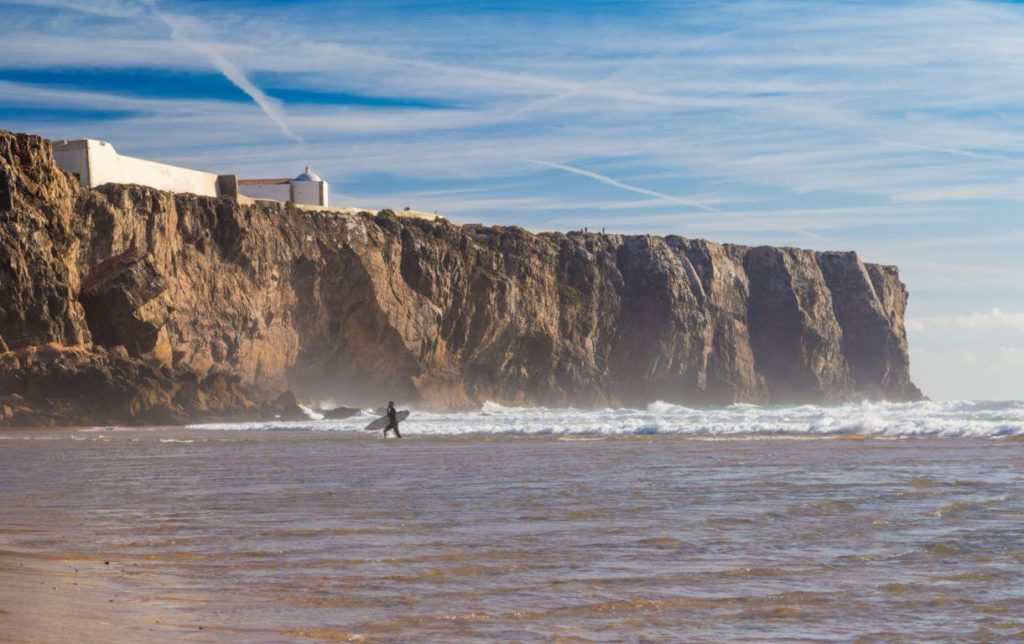
2 min drive
Located directly adjacent to the fortress, this beach is popular for surfing due to its consistent wave conditions. It provides a direct perspective of the fortress cliffs from sea level.
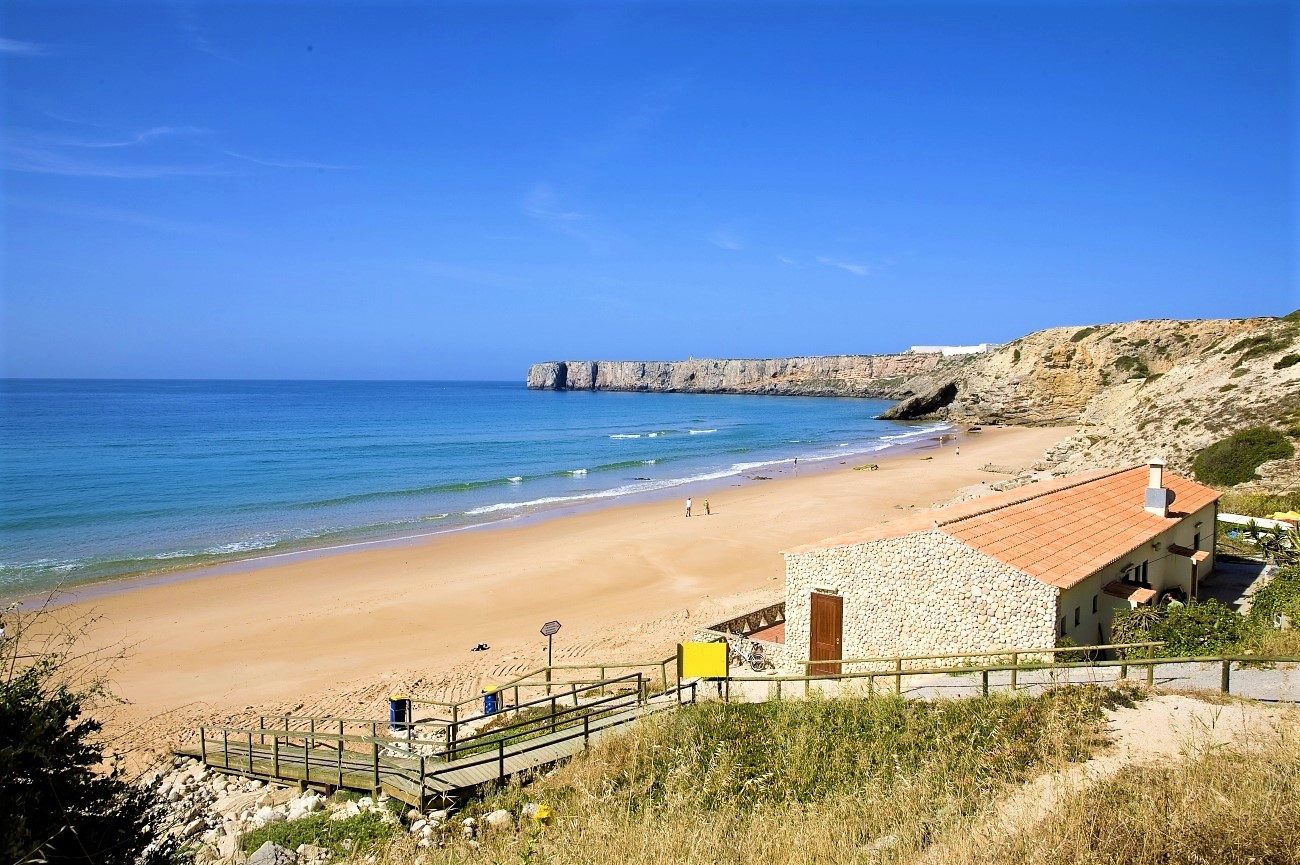
3 min drive
As the main beach in the village center, this location is ideal for food and drink breaks after a morning of sightseeing. The south-facing orientation provides calmer waters than the west-coast alternatives.
Everything you need to know about is sagres worth visiting
Travelers often find that the dramatic cliffs and historic sites make the area a compelling destination. Deciding if Sagres is worth visiting depends on your interest in maritime history and coastal landscapes.
The regular adult ticket price for site entry is 10 EUR. You can purchase this upon arrival at the entrance.
While the town is small, the unique geography makes it a memorable stop. Many visitors feel is sagres worth visiting for a few hours to witness the southwestern tip of Europe.
The best arrival window is 09:30–17:00. Arriving early helps you avoid peak heat and crowds on the exposed promontory.
The open spaces of the fortress offer room for children to explore safely. When families ask if sagres worth visiting, they often appreciate the educational historical context alongside the outdoor scenery.
The fortress is located at Fortaleza de Sagres, 8650-360 Sagres, Portugal. You can reach this landmark by car or local bus services that connect to the main town area.